
Musty or Moldy Basement Smell? Get to the Source of the Problem
A persistent musty smell in your basement can be frustrating, especially when you can’t see where it’s coming from. Even without standing water or obvious leaks, that odor may be a sign of excess moisture.
At Pioneer Basement Solutions, we help Northeast Ohio homeowners identify potential sources of basement moisture and find solutions that address the underlying problem, not just the smell.
- Get a Free Estimate
Why Basements Smell Musty or Moldy
A damp or moldy basement smell doesn’t always have one obvious cause. Several moisture-related conditions can produce similar odors, making it important to understand what’s happening before choosing a solution.
High Basement Humidity
Basements run cooler than the rest of your home, so humid air can keep walls, floors, and stored items damp. Over time, that leads to musty odors, even when there’s no visible water.
Condensation
When warm, humid air meets cool basement surfaces like foundation walls, floors, windows, and pipes, condensation forms. Repeated condensation leaves surfaces damp and contributes to musty smells.
Water Seepage
Water can enter through foundation walls, floor cracks, or the joint where walls and floor meet. Sometimes it leaves puddles. Other times, the only signs are damp surfaces, stains, or a lingering odor.
Mold or Mildew Growth
Ongoing moisture can lead to mold or mildew on wood, drywall, cardboard, and other stored items. A musty smell may point to mold, but odor alone can’t confirm it or reveal where the moisture is coming from. A professional evaluation can.
Signs of Excess Moisture in Your Basement
A musty odor is often just one indication that excess moisture may be affecting your basement. Other warning signs can help you recognize when the problem deserves closer attention.
Common signs include:
- A basement that feels humid, damp, or clammy
- Condensation on pipes, windows, or foundation walls
- Damp spots on basement walls or floors
- Water stains or discoloration
- White, chalky residue on concrete or masonry surfaces
- Water appearing after heavy rain or snowmelt
- Odors that become stronger during humid weather or after rainfall
- Visible mold or mildew on damp surfaces or stored materials
Even without visible water, these signs may point to an underlying moisture problem that deserves closer attention.

Why You Shouldn’t Ignore Musty Basement Smells
A musty smell might seem minor, especially in a basement you rarely use. But if moisture is the cause, the problem will outlast any quick fix.
Over time, ongoing moisture can damage stored belongings, deteriorate drywall and wood, and encourage mold or mildew growth. It also makes your basement feel damp and less usable.
Air fresheners and odor absorbers only mask the smell. Fixing the source is what improves your basement long term.
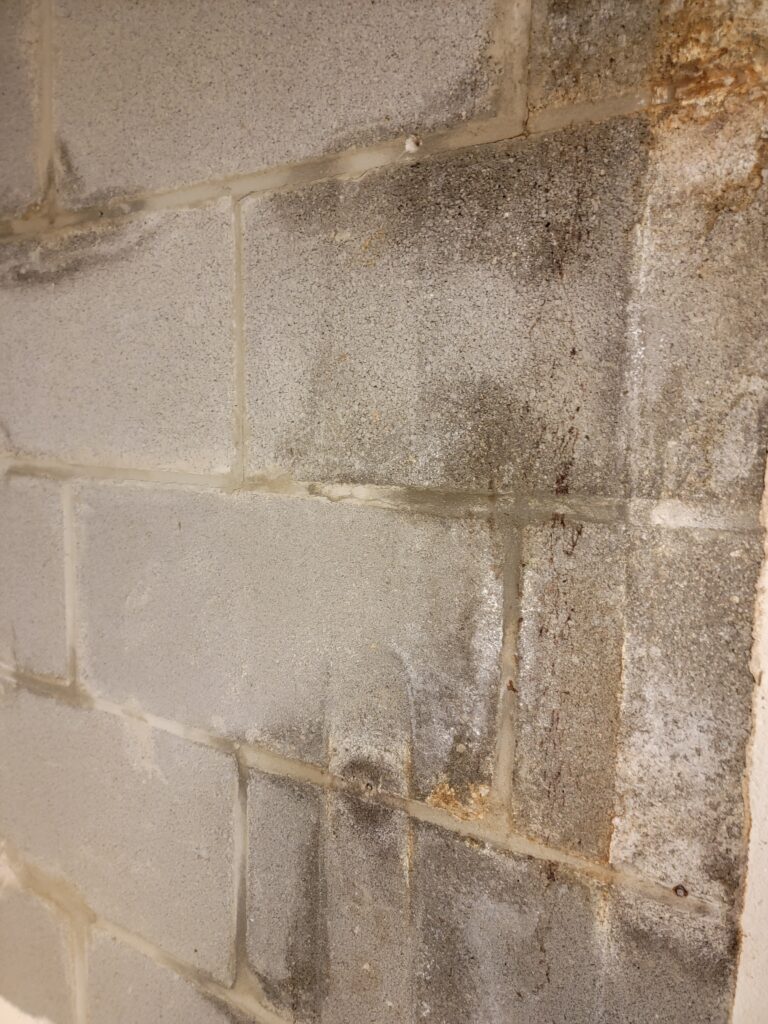
How We Address Basement Moisture and Musty Odors
Not every musty basement has the same problem. Pioneer Basement Solutions evaluates your basement, pinpoints where moisture is coming from, and recommends solutions based on what your home actually needs, whether that’s waterproofing, humidity control, or both.

Basement Waterproofing
Basement waterproofing addresses water intrusion and recurring moisture problems. Pioneer evaluates how water may be entering your basement to recommend a solution suited to your home’s specific conditions.
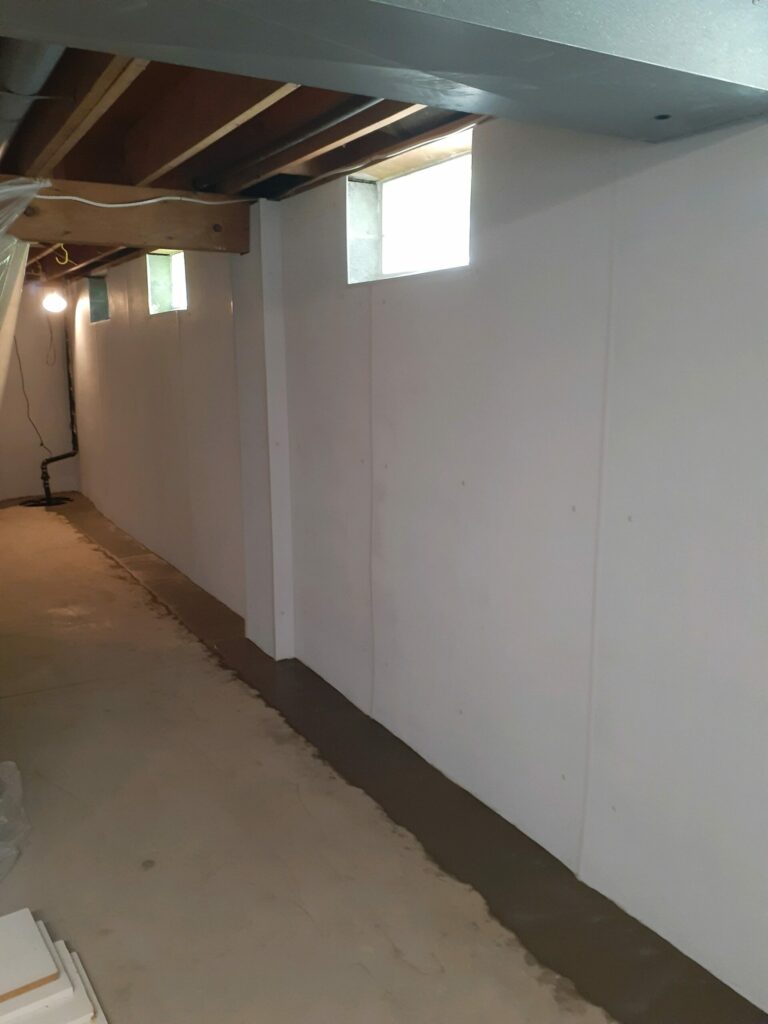
Interior Basement Waterproofing
Interior waterproofing systems collect and manage water entering through foundation walls, floors, or the joint where they meet. These systems may be recommended when water seepage is contributing to damp basement conditions.

Humidity
Control
Humidity control helps manage excess moisture in the basement air, reduce condensation, and create a drier, more comfortable environment. This solution may be appropriate when airborne moisture is contributing to musty odors.
Not every musty basement has the same problem. Pioneer Basement Solutions evaluates your basement, pinpoints where moisture is coming from, and recommends solutions based on what your home actually needs, whether that’s waterproofing, humidity control, or both.
The Result: A Drier, More Comfortable Basement
Addressing the underlying moisture problem can make a meaningful difference in how your basement feels and functions.
Homeowners gain:
- Reduced excess moisture in the basement
- A drier, more comfortable environment
- Fewer damp conditions that contribute to musty odors
- Better protection for stored belongings and basement materials
- Greater confidence in using the basement for storage, recreation, or everyday living

Frequently Asked Questions About Musty Basement Smells
Why does my basement smell musty?
A musty basement smell is often associated with excess moisture. Common causes include high humidity, condensation, water seepage, or damp materials that may support mold or mildew growth. Because these conditions can produce similar odors, identifying the source is important before deciding on a solution.
Can a basement smell musty without visible water?
High humidity, condensation, or moisture entering through foundation walls and floors can create damp conditions without leaving visible puddles. A basement may have an ongoing moisture problem even when the floor appears dry.
Does a musty smell mean I have mold?
Musty odors can be associated with mold or mildew, but they can also occur in damp environments without visible mold growth. Smell alone isn’t enough to confirm mold is present. If you suspect mold, a qualified mold professional can help evaluate that concern.
Will a dehumidifier get rid of a musty basement smell?
A dehumidifier can help reduce musty odors when excess humidity is contributing to the problem. However, it won’t correct water entering through foundation walls, floors, or cracks. If water intrusion is contributing to the odor, the source of that moisture will also need to be addressed.
Can water seep through basement walls without causing visible puddles?
Moisture can move through porous masonry, foundation cracks, or the wall-floor joint without producing standing water. Damp spots, discoloration, white mineral deposits, or musty odors may appear before water begins to accumulate.
How do I find out where the moisture in my basement is coming from?
Look for signs such as condensation, damp surfaces, water stains, and odors that become stronger after rainfall. A professional basement evaluation can help identify potential moisture sources and determine whether waterproofing, humidity control, or another solution is appropriate.
Get to the Source of Your Musty Basement Smell
If your basement smells musty and the odor keeps coming back, covering it up isn’t the answer.
Pioneer Basement Solutions can evaluate your basement, identify potential sources of excess moisture, and recommend the right solution for your home.